My story
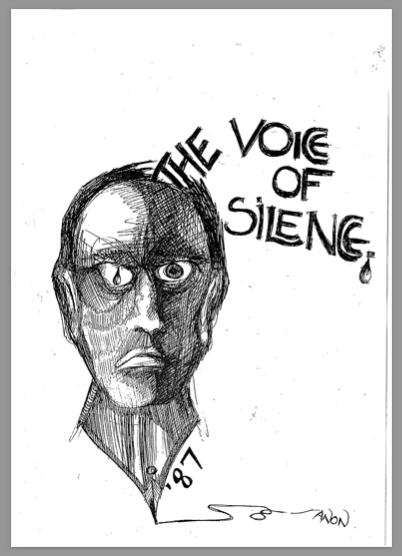
My first foray into journalism was a short-lived underground pamphlet compiled with a school friend called The Voice of Silence that railed against the racist tyranny of apartheid.
At university I immersed myself in literature and surfing. Occasionally I would join anti-apartheid street protests with my fellow students and be doused with teargas and, in one instance, “purple rain”. During this period I was fortunate enough to attend creative writing tutorials offered by JM Coetzee, and stage a play I’d written, The Last Supper, at the Grahamstown National Arts Festival.
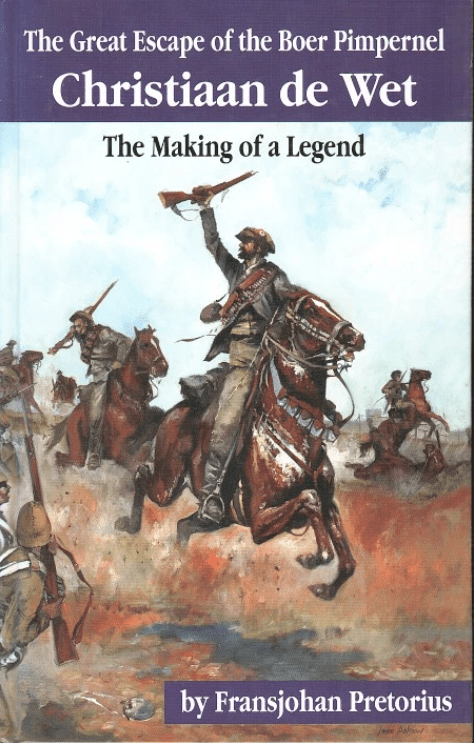
After completing a post-graduate degree in African Studies at the University of Cape Town, I began to work part-time as a copy editor for the Cape Times and Weekend Argus, while doing a variety of freelance writing and editing gigs. One of these gave me my first taste of narrative military history writing – something I only recently returned to. Assisted by Wilhelm Snyman, I turned a master’s thesis written in Afrikaans by Anglo-Boer War historian Fransjohan Pretorius into a narrative translation, Christiaan de Wet: The Great Escape of the Boer Pimpernel.
This was followed by a stint as a rewriter at You magazine, and six months as a freelance journalist in New York. Although my business card proclaimed I was a foreign correspondent for GQ South Africa, most of my earnings came from interviewing Hollywood stars for You in a luxury hotel overlooking Central Park. Then the 9/11 terror attacks happened, and I found myself covering one of the most significant events in world history.

Once back in South Africa, I felt that an important but underreported issue on the continent was land reform and rural development. Two books were seminal in my decision to devote myself to this beat: The Seed is Mine by Charles van Onselen, and Johnny Steinberg’s Midlands.
In 2003 I joined the staff of the legendary ThisDay newspaper under the editorship of Justice Malala, as a senior reporter specialising in land reform. I was privileged to be able to produce in-depth reporting on significant events aimed at reversing the racist legacy of skewed land ownership in South Africa. These included the Modderklip judgement, which protected the constitutional rights of land invaders while recognising property rights of land owners, and how members of the Richtersveld community won back their diamond-rich ancestral land.

After ThisDay folded in 2004, I was employed for the next six years as a contributing editor at Business Day/Financial Mail (BDFM) and Farmer’s Weekly, under a succession of editors, as a specialist writer on land reform. By then I had become one of the country’s leading writers on the subject, with my stories cited in numerous academic publications and research papers.
Awards
In 2008 I received a Sanlam Award for Excellence in Financial Journalism for my investigation into the causes of underdevelopment in the Wild Coast region. Two years later I was named the Mondi Shanduka Newspaper Journalist of the Year for my body of work on land reform and uncovering corruption at the Land Bank. The judges described me as an “outstanding journalist, with a masterly command of the craft”, to be commended for “giving all views a hearing (even those that disagreed with the main thrust of the analysis).”
My exposés on the Land Bank contributed to the prosecution of its chief executive and other officials, who eventually received hefty jail sentences in 2018.

In 2010 I joined the Sunday Times investigations unit under the editorship of Ray Hartley and began to work closely with journalists Mzilikazi wa Afrika and Rob Rose on high-profile corruption stories. It was a particularly productive partnership, and we regularly broke some of the biggest stories in the country, resulting in powerful politicians being held to account. The stories included exposing two corrupt police real estate deals awarded to an associate of President Jacob Zuma; bribes paid to the wife of the president’s spokesperson, Mac Maharaj; and how Zuma’s communications minister, Dina Pule, dished out state contracts to her boyfriend. These three stories alone won numerous prizes, including three Taco Kuiper awards for investigative journalism and two overall Vodacom Journalist of the Year awards.
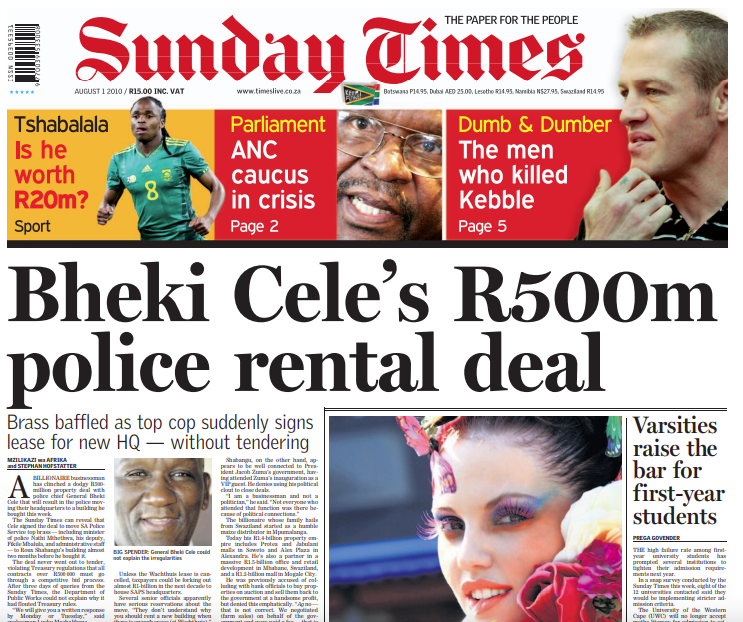
Among the many positive impacts of our reporting was that the real estate deals were cancelled, thus saving taxpayers R1.7 billion, and Bheki Cele was fired as police chief.
Controversies
During the time that I was employed at the Sunday Times I also became embroiled in certain controversies. These have often been misreported. A full account can be found here.
Early in 2017 I rejoined BDFM, the business division of the same media company that owns the Sunday Times, as a contractor. One of my focus areas was investigating corruption in state-owned entities, including power utility Eskom. This led to a number of scoops, and a publishing contract with Penguin Random House.
Books
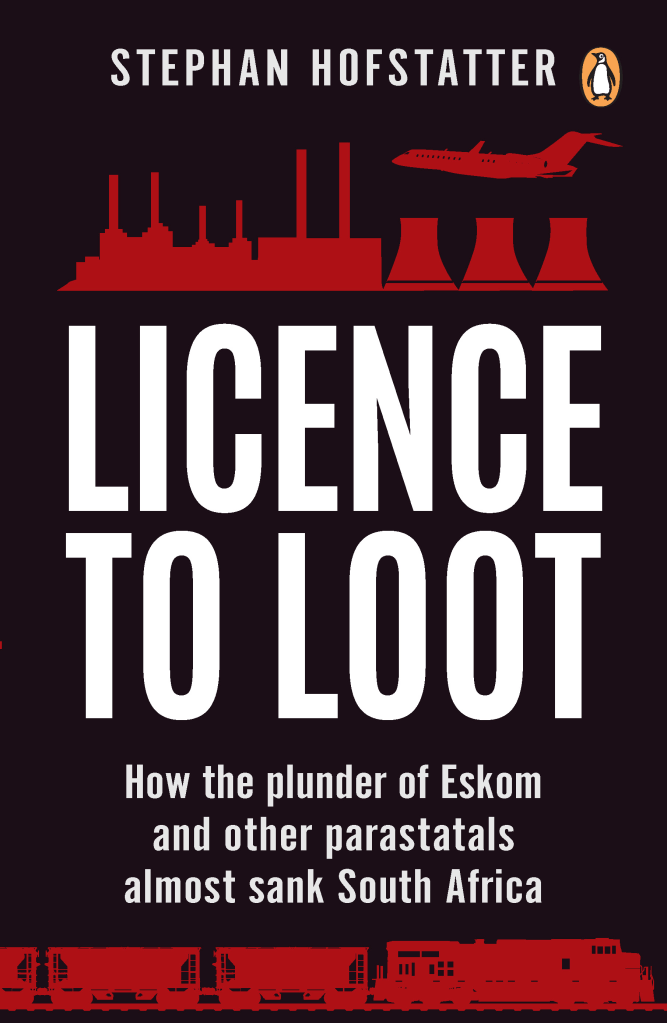
My book Licenced to Loot: how the plunder of Eskom and other parastatals almost sank South Africa was published in 2018. It became a best seller in South Africa and was placed on The Economist magazine’s list of recommended reading on South African history in the era of state capture. The Africa correspondent for Canada’s The Globe and Mail described it as “rigorously researched, well written, clearly explained and thoroughly fact-checked”, and an “essential read … for anyone trying to understand how South Africa fell into the grip of official corruption under the Zuma presidency”.
Shortly after my book launch in September 2018, I left BDFM following the Sunday Times controversies.
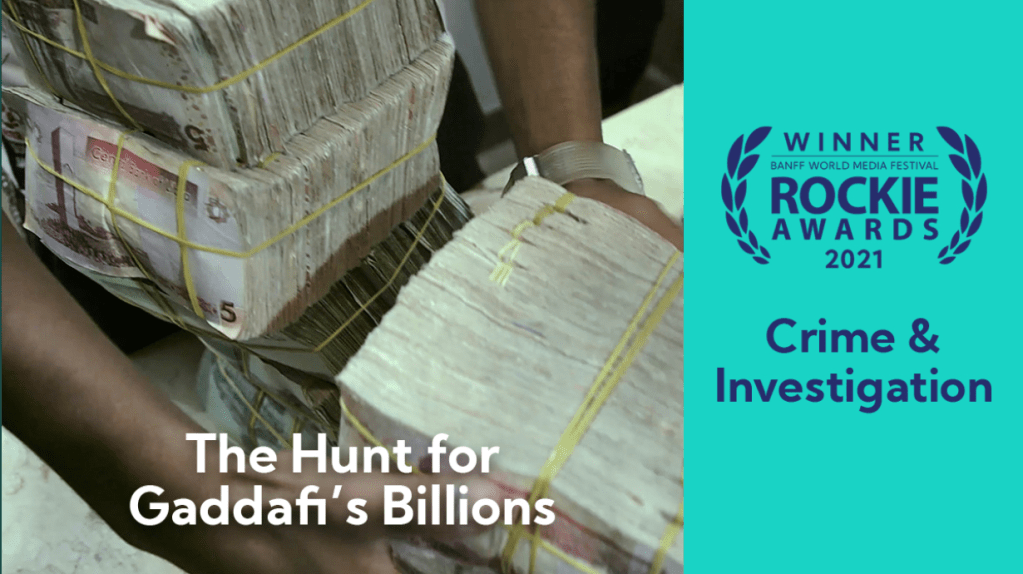
In the meantime I continued to work as a researcher on a major international documentary, The Hunt for Gaddafi’s Billions, directed by Misha Wessel and Thomas Blom. The film won a Rockie Award at the BANFF World Media Festival in June 2021, and was nominated for an Emmy.
Together with Blom, I co-wrote a long-form piece published by de Volkskrant in the Netherlands in October 2020. The story delved into the back-room dealings that resulted in the ANC government failing to prosecute murders committed by members of the apartheid-era security forces.

In the two years after I left BDFM, I also devoted myself to writing another book together with photojournalist James Oatway and financial journalist Warren Thompson, recounting the events of an important battle that took place in the Central African Republic in 2013, and the shady commercial and diplomatic wheeling and dealing that underpinned it. The book, The Battle of Bangui: the inside story of South Africa’s worst military scandal since apartheid, received rave reviews when it was published in 2021.
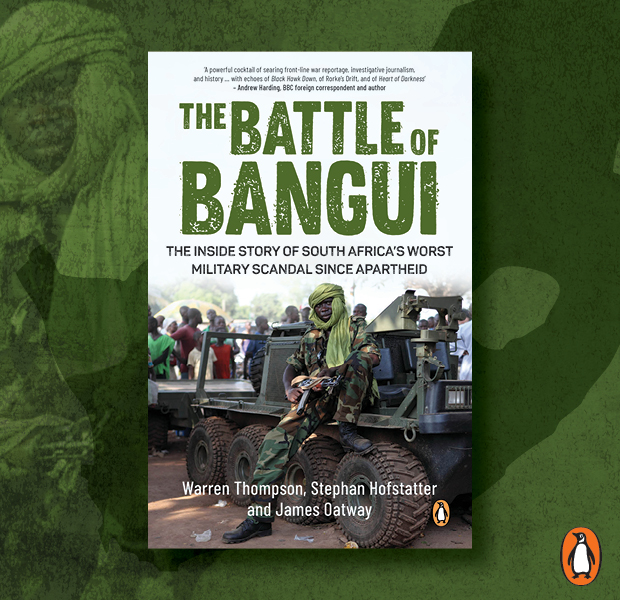
The M&G described it as “offering unprecedented insight into South Africa’s strange relationship with the Central African Republic”, with descriptions of battle scenes “that will take your breath away” and “excellent writing [that] will leave you wanting more”. Vrye Weekblad praised the book for “shedding new light on the disastrous troop deployment, and the astonishing tale of uranium and diamond concessions awarded to companies with ANC ties”.
Military historian Evert Kleynhans described the book as a “a welcome addition to the historiography” and “a riveting read from start to finish [offering] an unrivalled account of the Battle of Bangui, filled with heroism, camaraderie, terror, sorrow and triumph over adversity”.
“The book comes highly recommended, and can be considered for inclusion into university course material, particularly modules that deal with military history, strategic studies and political science,” he concluded.
 stephanhofstatter.com